



America’s Foundation of Faith: A Call to Return to God
Many Americans wonder about the spiritual roots of their country—how faith influenced the founding and whether it still shapes its future. In this post, we’ll explore the biblical principles embedded in America’s history, how they continue to influence its identity, and why returning to faith might be the key to its renewal.
The question is straightforward but profound:
Was America built on biblical faith, and does that legacy still matter today?
Understanding this history isn’t about nostalgia—it’s about recognizing the spiritual foundation that has shaped the nation’s character, laws, and moral compass. From the earliest settlers seeking religious freedom to the speeches of founding fathers, faith was central. Now, in a time of division and uncertainty, many wonder if returning to these roots could restore unity and purpose.
Let’s examine the biblical principles woven into America’s history, the vital role faith has played in its sovereignty, and how believers can be agents of renewal.
The Biblical Roots of America’s Founding
The Faith of the First Settlers
The early European colonists fleeing persecution carried their faith into America, establishing a moral code grounded in Scripture. They believed that a nation’s prosperity depended on honoring God—this conviction is evident in documents like the Mayflower Compact signed in 1620. Its opening words, "In the name of God, Amen," underscore a deliberate acknowledgment of divine sovereignty and purpose.
Why does this matter?
Because it shows that from the very beginning, the founders saw their mission as aligning with divine principles. Their commitment wasn’t superficial—they understood that society without divine guidance would falter.
Scriptural Foundations in Key Documents
The Declaration of Independence emphasizes rights endowed by a Creator and appeals to divine providence—phrases like “endowed by their Creator” and “reliance on divine Providence” reflect core biblical values. These are not arbitrary words; they mirror verses like Proverbs 14:34, which states, “Righteousness exalts a nation,” and Psalms 33:12, “Blessed is the nation whose God is the Lord.”
Insight:
America’s founding documents echo Scripture, revealing a founders' dependence on biblical principles for justice, freedom, and morality.
Leaders Who Recognized God’s Sovereignty
The Founding Fathers’ Dependence on God
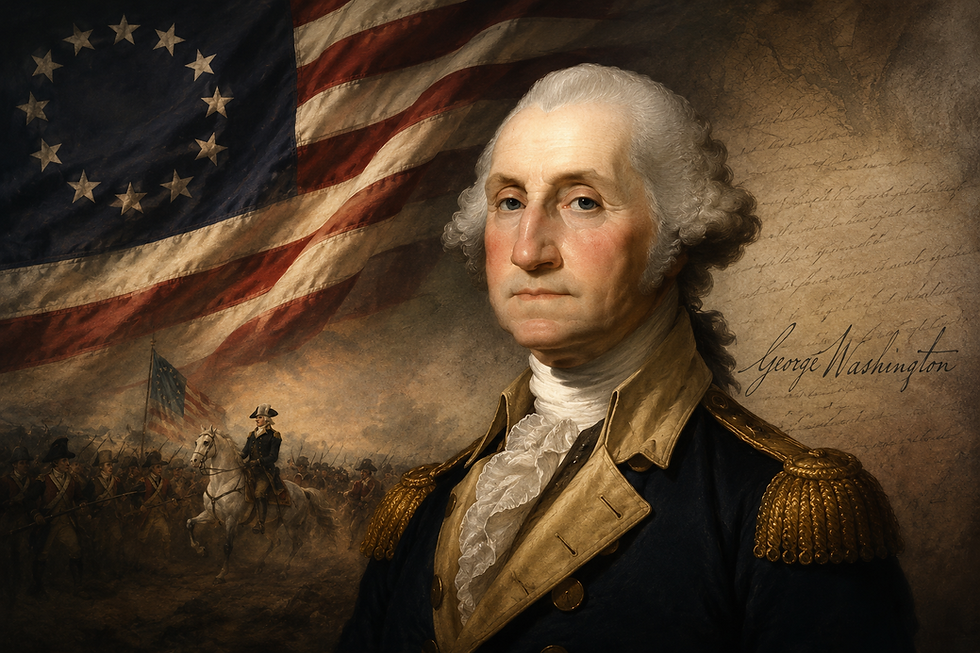
George Washington, in his first inaugural address, openly acknowledged dependence on divine guidance, calling prayer a vital act. John Adams and James Madison similarly recognized that moral and religious virtues were essential for a functioning republic. Madison’s statement that the Constitution is “wholly inadequate” for a nation without morality rooted in religion underscores this.
Application:
These leaders understood that divine morality, grounded in Scripture, was fundamental to governance. Their policies and laws reflected a biblical worldview—one where authority, dignity, and justice stemmed from divine principles.
The Bible’s Influence on Laws and Government
The founders frequently quoted Scripture, especially Genesis 1:27, reinforcing human dignity and worth. The concept of liberty, symbolized by the “Liberty Bell,” draws from Leviticus 25:10, which proclaims freedom. These references weren’t incidental—they conveyed a recognition that true liberty originates from divine authority.
Takeaway:
Biblical values weren’t just personal beliefs but the scaffolding for America’s political and legal systems.
Revival and Turning Back to God
Moments of Spiritual Renewal
American history is filled by revival movements—like the Great Awakening of the 1730s and 1740s—that prepared society for independence and moral renewal. Preachers like Jonathan Edwards called citizens to genuine repentance, emphasizing personal faith as the foundation for civic virtue.
National Call to Prayer During Crisis
Presidents like Abraham Lincoln, during the Civil War, called for national days of prayer, recognizing the country’s reliance on divine mercy. The Bible’s promise from 2 Chronicles 7:14, “If my people who are called by my name humble themselves and pray,” has served as a spiritual blueprint during times of national crisis.
Significance:
These moments reflect a pattern—America’s spiritual health has historically been linked to national renewal when leaders and citizens turn back to God.
The Role of Believers Today: Being Salt and Light
The Responsibility of Christians
Matthew 5:13-16 urges believers to be salt and light, influencing society through righteous living and moral example. This call is urgent—passivity or silence risks allowing culture to drift further from biblical truth.
Action step:
Believers are called to live out their faith boldly, promoting prayer, justice, and righteousness, especially in a divided culture.
Hope Is in the Lord
Psalms 20:7 reminds us, “Some trust in chariots, and some in horses; but we will remember the name of the Lord our God.” Our ultimate hope remains in God’s sovereignty, not government.
Why it matters:
In the face of cultural darkness, prayer and steadfast faith are the keys to revival.
Application for Today’s America
Prayer, Repentance, and Renewal
The biblical principles on which America was built still hold power. God promises that if His people humble themselves and seek His face, He will heal the land (2 Chronicles 7:14). This requires collective prayer, repentance, and a commitment to live and lead biblically.
Living as Examples of Faith
The call for believers isn’t just to pray but to act righteously, promote justice, and stand firm in biblical truth—being visible salt and light in a culture that desperately needs it.
Reclaiming America’s Foundational Faith
It’s possible to influence the nation today by returning to core biblical principles—faith, prayer, integrity, humility—and trusting that God can bring revival. As history shows, when a nation turns back to God, transformation can follow.
Final Thoughts
America’s founding was deeply rooted in biblical faith, and those principles have shaped its identity. While challenges persist, the opportunity remains for believers to stand boldly in faith, advocating for righteousness and prayer. Revival begins with the hearts of individuals and communities committed to God.
So, what’s the next step?
Reflect on how you can live out and share your faith today—your prayer, integrity, and love could be part of God’s plan to bring renewal to this nation.
Want to explore more?
Listen to the full episode of “Faith in the Grind” for inspiring stories and biblical insights: [Link].


Comments